DATA BOOST
Role
Experience Architecture Lead, UI/UX Strategist, Service Designer
Role & Impact
Established low-bandwidth purchasing patterns, and aligned 6+ cross-functional teams around a high-congested network solution.
THE PROCESS
The Challenge
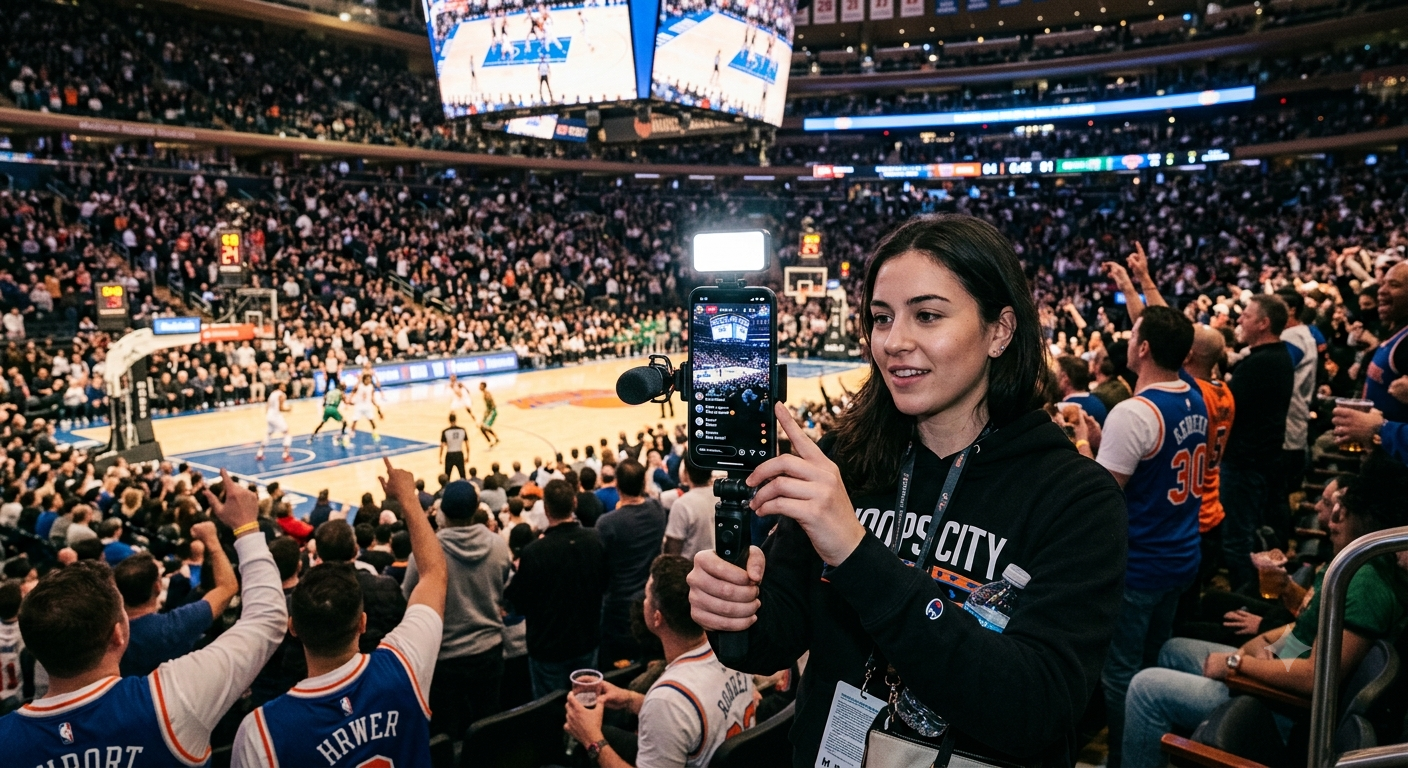
When cellular networks become overloaded at packed stadiums or festivals, users experience network failure. Expecting customers to navigate heavy, asset-loaded app interfaces over a degraded network creates a broken user experience.
Friction Points: Heavy web/app pages fail to load precisely when users need to buy speed boosts.
Brand Trust: Charging top-tier unlimited users $5 for functional connection risks optics of a "network tax" unless framed carefully as situational priority.
Technical Constraints: Pass availability had to connect dynamically to 5G Core limits (300k monthly national cap; local cell tower caps).
Architecture & Service Design Frameworks
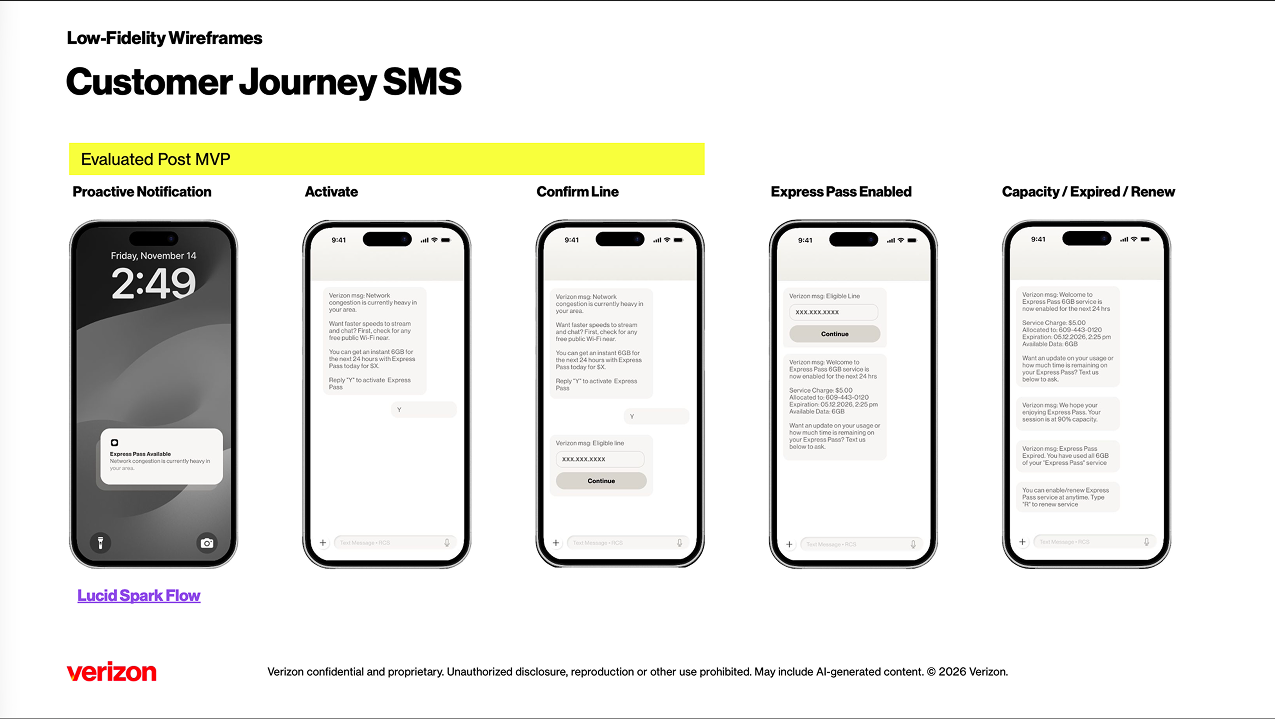
Low-Bandwidth Entry Points: Architected rep-triggered SMS deep links, conversational AI voice/chat flows, and text shortcodes that bypass app/web downloads entirely.
Automated Failure-Rollback: Mapped an edge-case engine where technical provisioning failures automatically trigger a $5 refund and an explanatory text alert, eliminating support calls.
Positioning Metaphor: Partnered with Content Strategy to position the product using an "Express Lane / Police Escort" metaphor rather than a basic network fix.
Lock-Screen Status Workaround: Bypassed 6+ month OEM status bar icon approval cycles by implementing temporary RCS lock-screen push notifications to track 24-hour sessions
Leadership & Systemic Impact
Call Center Deflection: Automated refund routing prevented support escalations for failed network activations
Cross-Functional Blueprint: Authored the master Service Blueprint and CX Team Questions Framework to bridge GTS backend, Storefront, Retail, and Chatbot teams
Scalable Service Pattern: Standardized a reusable low-bandwidth design pattern adopted across the enterprise for future venue and emergency features.
Omnichannel Service Blueprint: System architecture mapping SMS, IVR, Chatbot, and Web touchpoints to backend provisioning APIs
Low-Bandwidth Flow Diagrams: Visual comparison between heavy native app funnels and lightweight SMS checkouts.
PDF
Dynamic PDP UI States: High-fidelity UI showing active purchase states versus "Admission Control / Sold Out" states.
PDF
Research Synthesis & Iteration
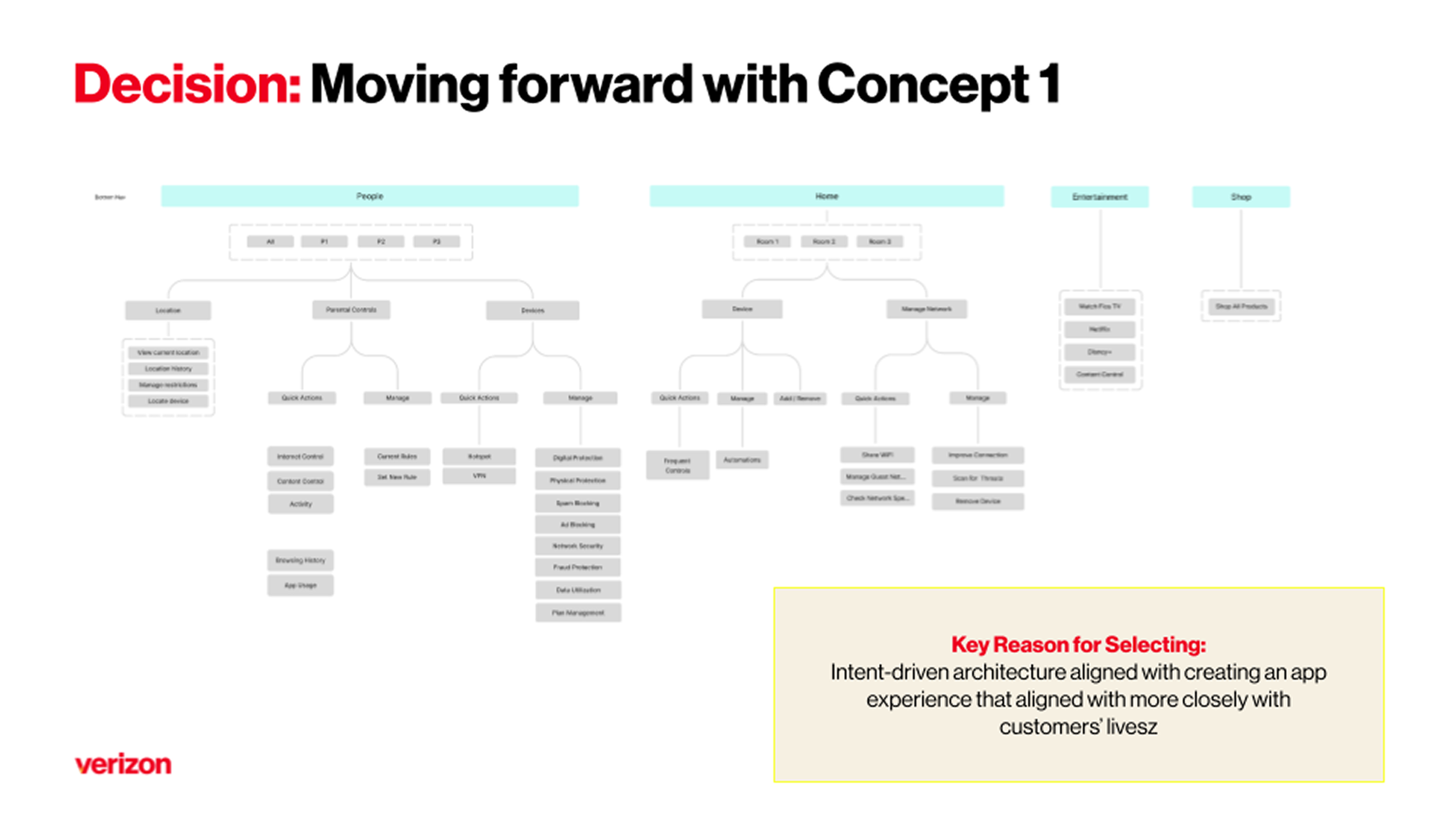
Architectural Stress Testing: Conducted two research rounds evaluating Concept 1 vs. Concept 2. Single-line users felt overwhelmed by family-centric views, prompting dynamic UI adjustments based on account tiers.
User Feedback Summary:
"More modern, streamlined, and cohesive with flat navigation that removes guesswork."
Core Takeaways: While users praised Concept 2’s customized dashboards, Concept 1’s intent-based structure proved far superior for usability, leading to a hybrid model that adopted intent navigation with widget-style customization.
Aligning multi-department business goals required navigating key trade-offs:
Loyalty vs. Screen Real Estate: Product advocated for a top-level Loyalty tab to meet engagement targets. Using research data showing user resistance to transactional tabs in a companion app, I pitched an inline, contextual reward strategy that protected navigation usability while driving higher conversion.
IoT Control vs. Network Management: Business teams wanted a single "Home" hub, but testing showed users separate network setup from smart home control. I led the architectural compromise to unify status views via extensible widgets rather than competing sub-menus.
Business Value & Deliverables
Text